
Nature at Reflection Park
At Reflection Park, we care for nature as we care for each other through cycles of life, death, and renewal.
We welcome you to explore the area and enjoy its beauty.
-
Seed Planting
If you came to this page because you received one of our seed packets, welcome! Planting instructions and further details on your native perennial wildflower seed mix can be found below.
-
Native Plants
Supporting native plants is one of the best things that we can do to sustain a diverse range of species. Learn more about Reflection Park’s commitment to planting natives below.
-
On the Grounds
Documenting biodiversity at Reflection Park helps to appreciate the natural beauty of the area as well as to engage in conservation efforts. Learn more about our observations below.
Seed Planting
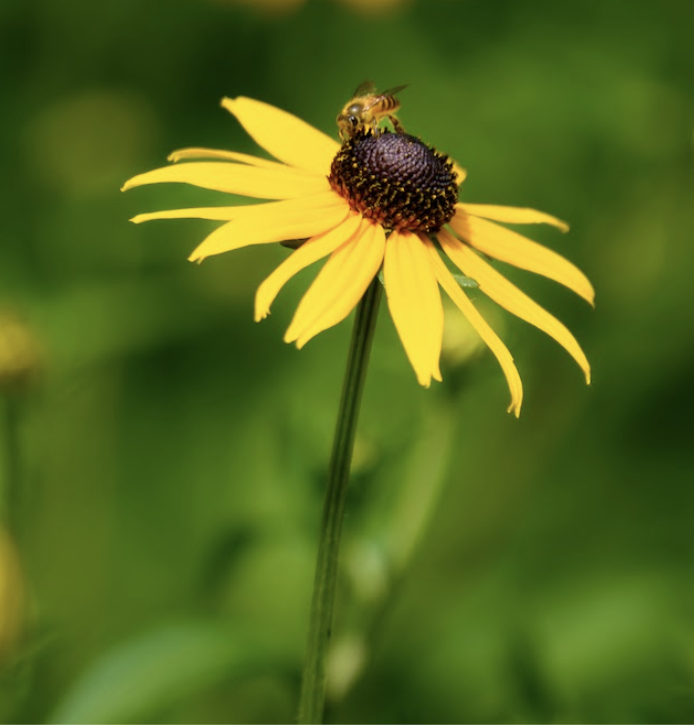
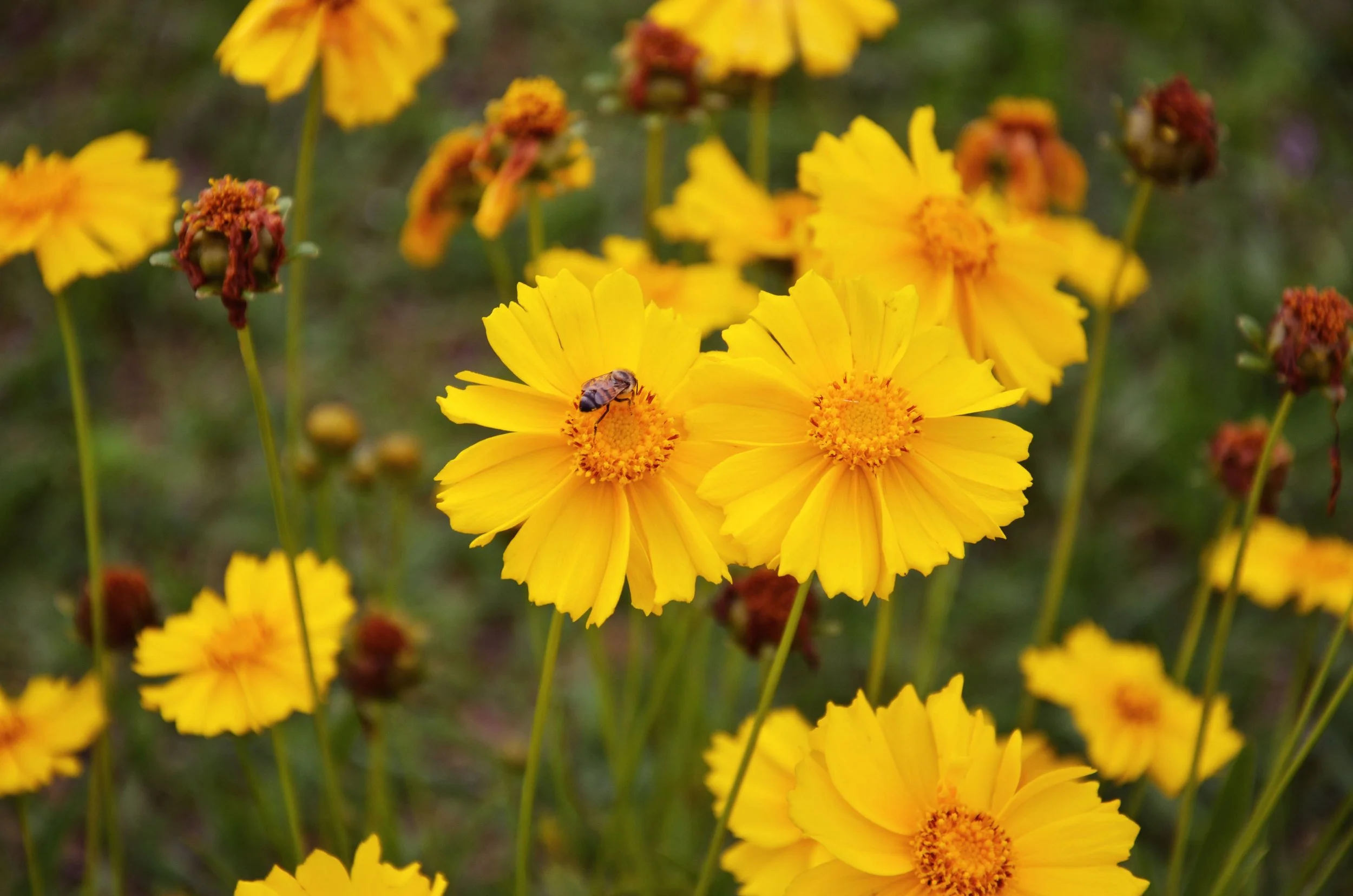
The wildflower mix in your seed packet includes perennial native Blackeyed Susan, Tall White Beardtongue, Lanceleaf Coreopsis, and Oxeye Sunflower. See this link for the full composition of seeds included.
Planting instructions:
Select a sunny site for planting.
Clear the soil and rake it lightly.
Place the seeds in the desired location and press them into the soil — you don’t need to bury them.
Water about an inch per week through the first growing season.
For more information about planting, visit Ernst Seeds planting guides.
Native Plants
Reflection Park is committed to fostering biodiversity by prioritizing the planting of native species. Native plants play a crucial role in supporting a wide array of wildlife, creating a thriving ecosystem that is both resilient and sustainable.
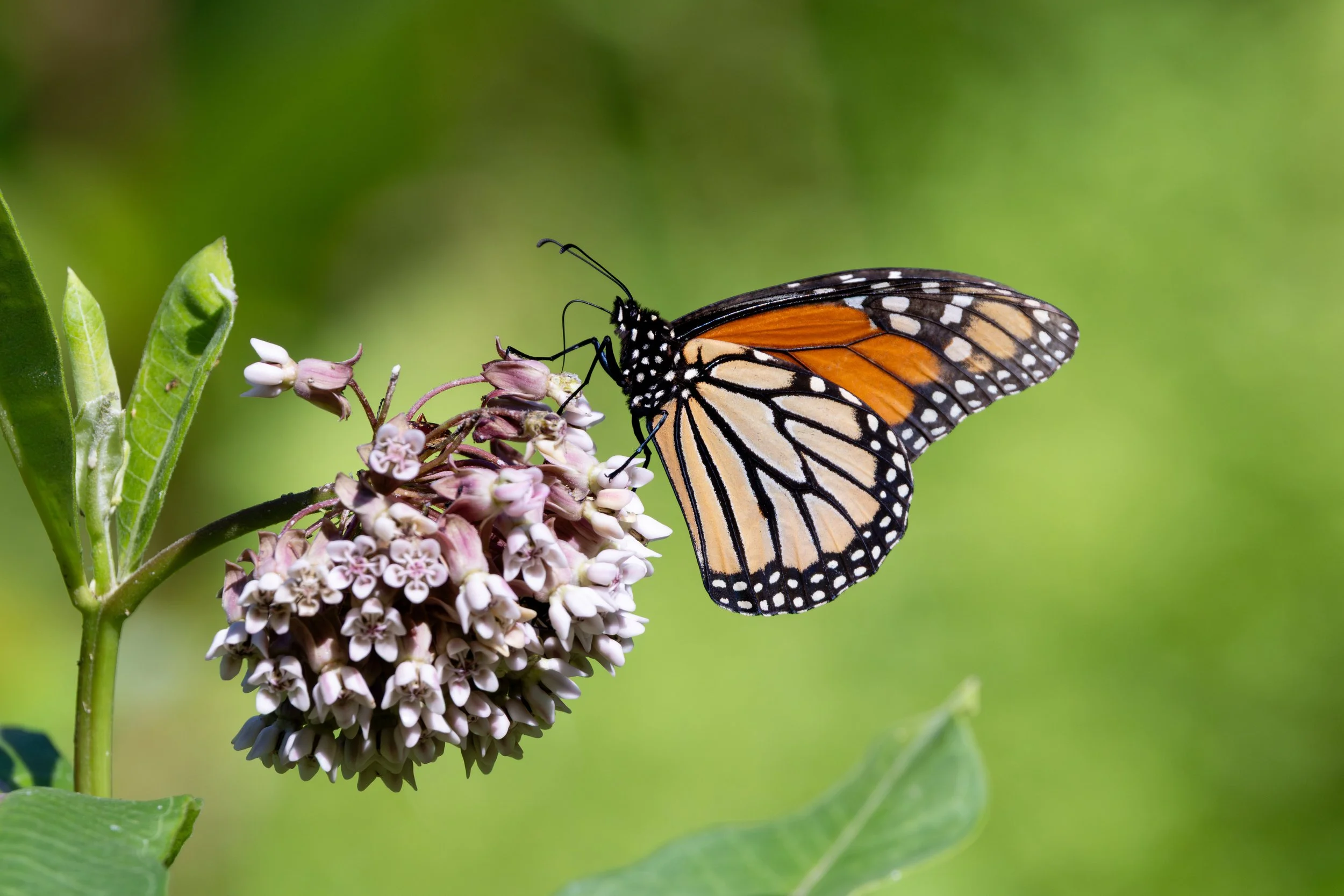
Native plants provide food to insects that, in turn, become food for numerous other species, including birds, frogs, dragonflies, bats, and small mammals.
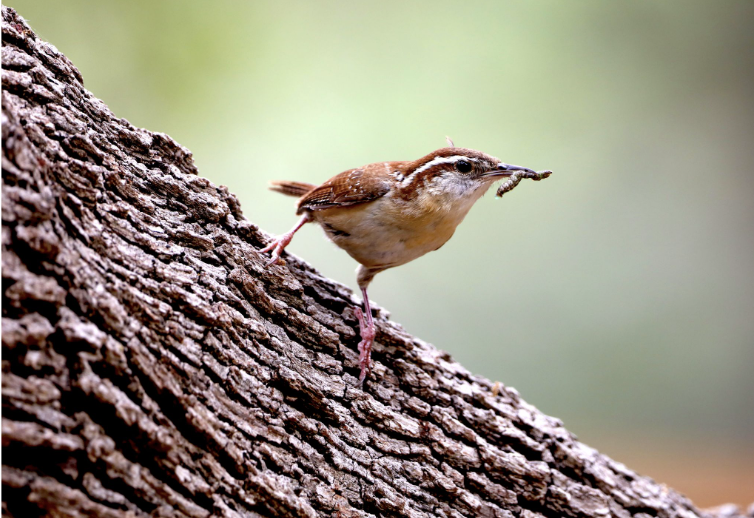
Birds raising their young are especially reliant on caterpillars to feed their babies. Planting native plants assures that birds will have access to more food to raise the next generation of our feathered friends!
On the Grounds
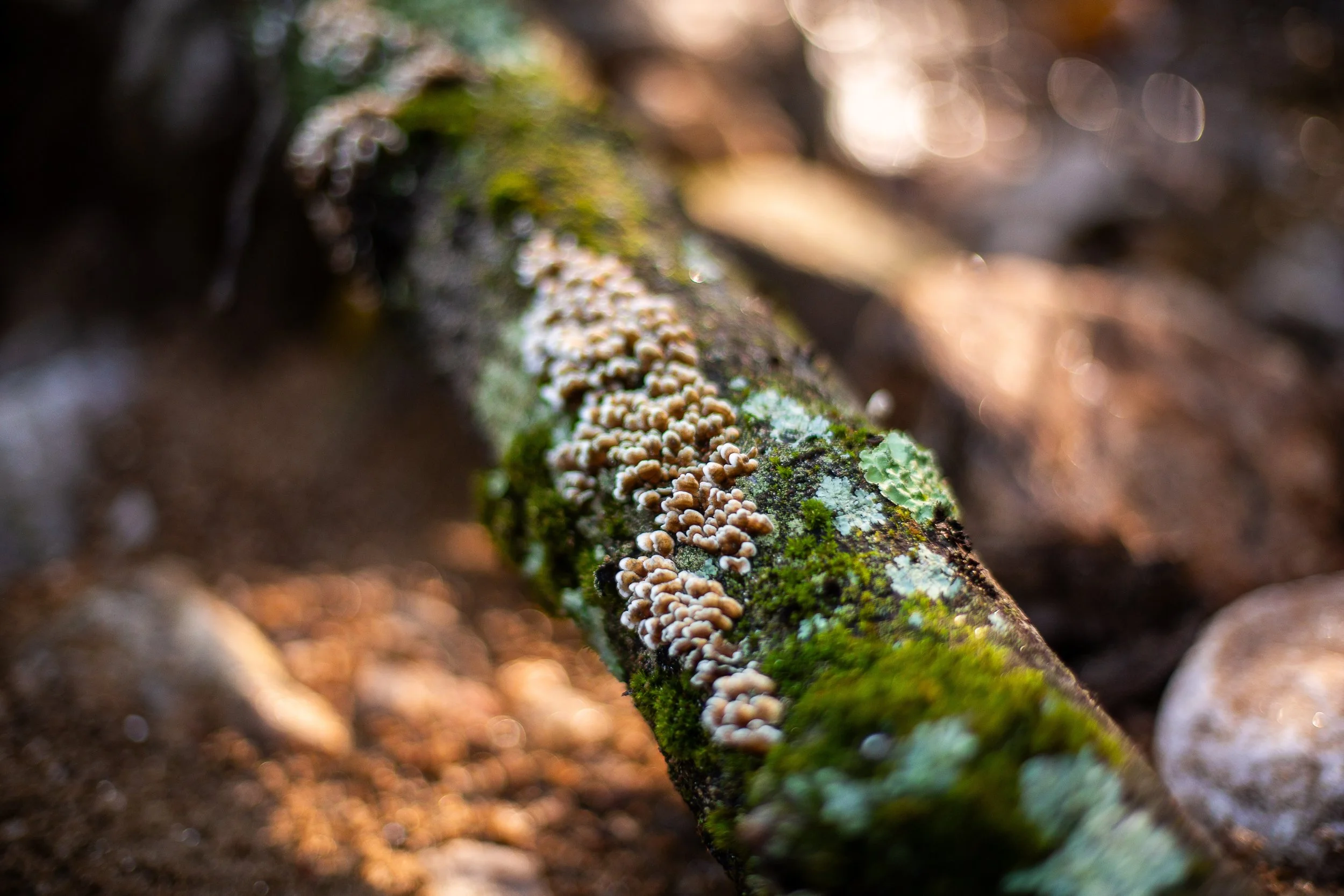
We are tracking species observed at Reflection Park, and you can help! We use the iNaturalist app to collect information about Reflection Park’s biodiversity. Recent observations can be found here. The area highlighted here includes some land beyond the boundaries of Reflection Park. It also includes submissions by citizen scientists, not just our team.
Knowing more about the species that call Reflection Park home helps us foster an environment that supports our local biodiversity. It also helps us identify invasive species that may threaten our ecosystems.
We all have a role to play in caring for nature. We hope you will join us for one of our Common Ground volunteer days to care for Reflection Park.
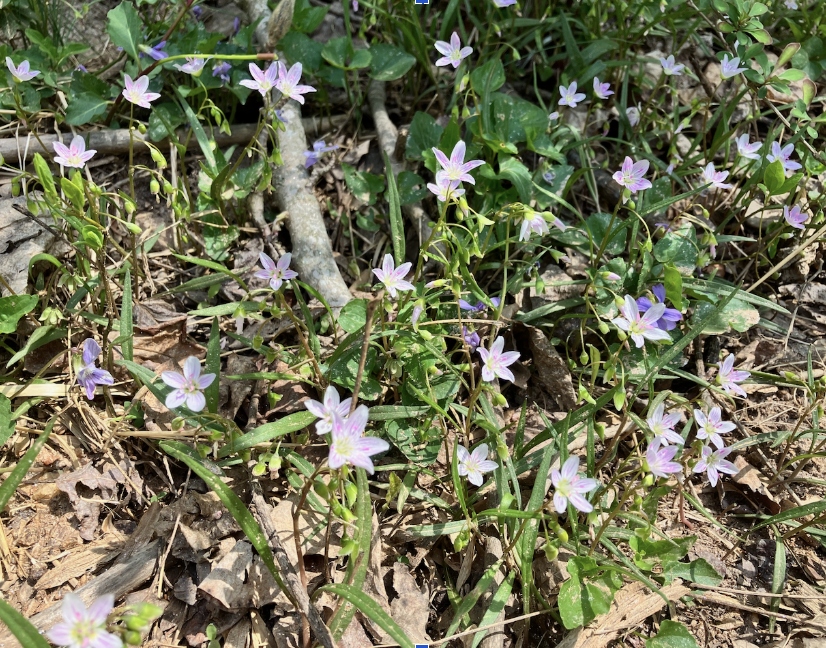

“Those who contemplate the beauty of the earth find reserves of strength that will endure as long as life lasts. There is something infinitely healing in the repeated refrains of nature --
the assurance that dawn comes after night, and spring after winter.”
—Rachel Carson, Silent Spring
