|
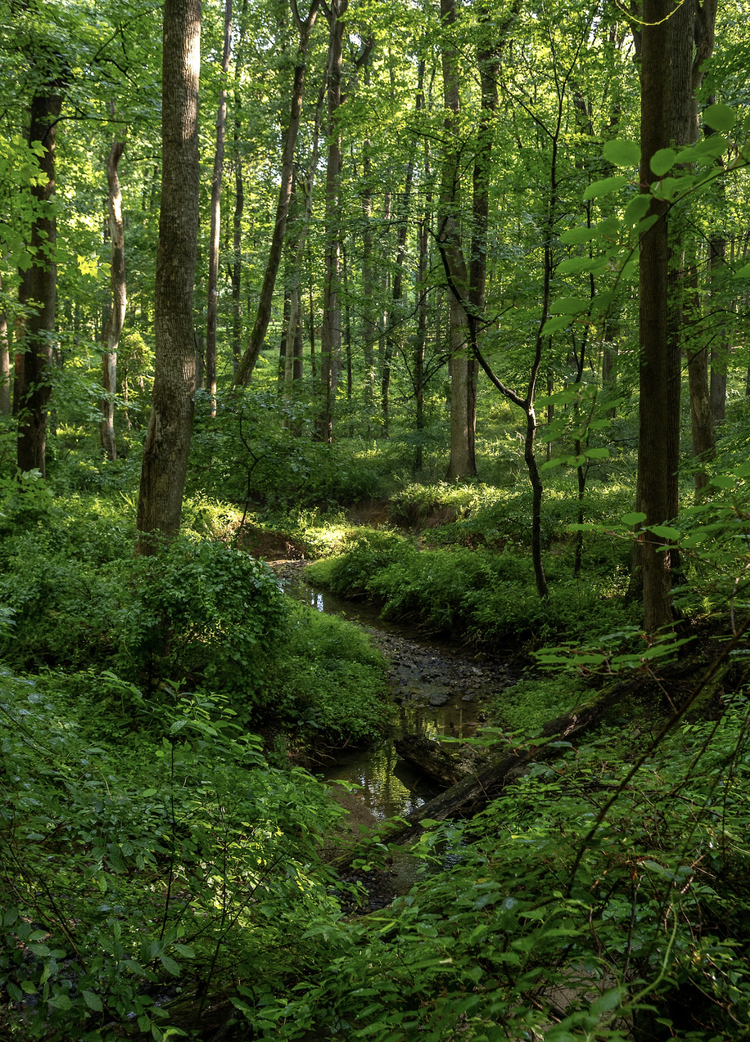
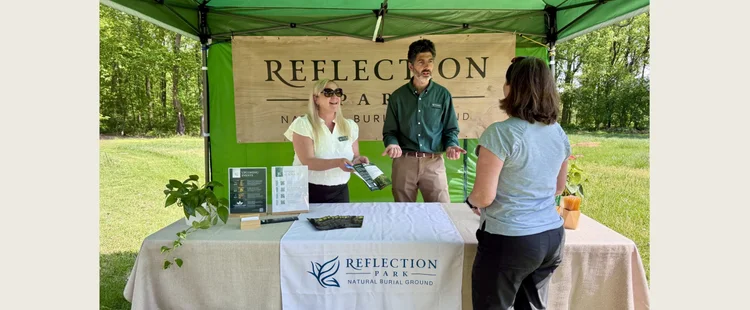
Human composting (also called natural organic reduction) recently became a legal option in Maryland, and it has received a fair amount of media and advertising attention. We've heard from several people who are considering composting for themselves. When they do, we try to learn more about what's drawing them to composting, and we share what we know about natural burial as another option to consider. Sometimes that conversation ends with someone still leaning toward composting; sometimes it ends with planning for a natural burial. Either way, we're glad to be part of the conversation. Some of our peer organizations have pointed out that natural burial is likely the more environmentally friendly option, and the evidence we've seen supports that conclusion. Natural burial protects land from being developed for other purposes. As populations grow and communities devote more land to meet residential and commercial demands, natural spaces will continue to be a threatened resource. Natural burial protects this precious resource in perpetuity. Natural burial is a practice with deep roots in human history and living cultures worldwide that offers a distinct opportunity for connection with the person who has died. People who take part in natural burial services often find it meaningful and comforting, sometimes in ways they didn't expect. In addition, natural burial offers time surrounded by nature, which carries its own well-documented benefits for the people who experience it.
|